THE ENTERPRISE ROOM · PEOPLE
From One Van to a Global Logistics Business: The Journey of Rosemarie Rafael
How a career that began in the airline industry led to the creation of a Philippine logistics company — and a wider role in advancing women's participation in business and the economy.
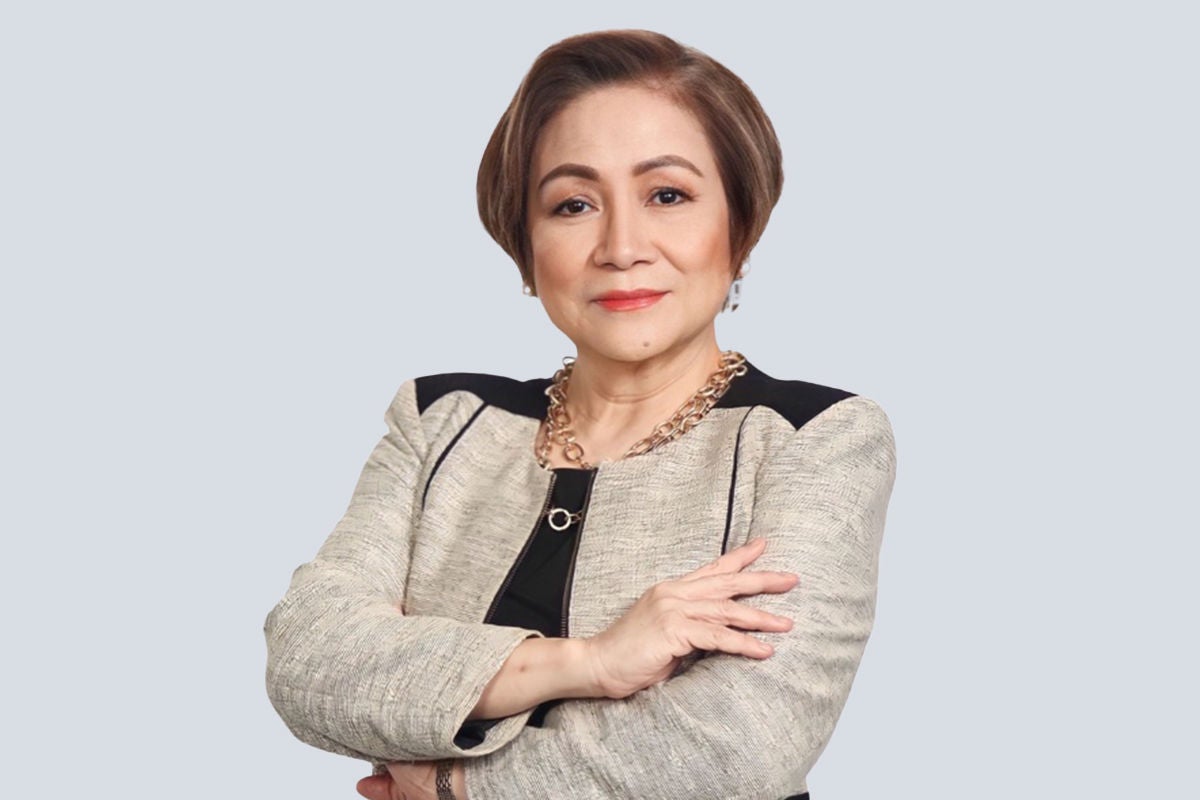
Building a business in a complex industry requires more than an idea. It takes an understanding of customers, the ability to build relationships, operational discipline, and the willingness to keep moving through uncertainty. For Rosemarie P. Rafael, those elements became part of a business journey that began with six employees and a single delivery van.
Rafael is the founder of Airspeed, a Philippine logistics business established in 1985. Over the decades, the enterprise has expanded beyond its early operations into freight forwarding, warehousing, distribution, customized logistics, and e-commerce fulfillment. Her career also extends beyond the company, with leadership and advocacy roles focused on women's economic participation and entrepreneurship.
Her story offers a look at how a locally established enterprise can develop through customer relationships, partnerships, operational expansion, and the ability to respond to changing business needs.
From the Airline Industry to Entrepreneurship
Rafael's professional journey did not begin with a logistics company. She started her career in the transportation and travel industry, working for Thai International Airlines. Her early experience in the airline sector introduced her to customer service, business relationships, and the demands of a fast-moving transportation environment.
In a published account of her entrepreneurial journey, Rafael recalled an early workplace setback that became an unexpected turning point. After an uncomfortable experience involving a meeting, she received a call from a freight-forwarding company inviting her to an interview. She accepted, despite initially knowing little about the industry.
That opportunity introduced her to freight forwarding. She first worked as a sales executive before eventually pursuing entrepreneurship. The experience gave her exposure to the commercial side of logistics and the relationships that help businesses move goods and serve customers.
In 1985, she established Airspeed. The decision marked the beginning of a business that would grow from a small operation into a broader logistics enterprise.
Building Airspeed From the Ground Up
According to EY's profile of Rafael, Airspeed began with six employees and one van. Its growth reflects the operational demands of building a logistics business: developing customer relationships, expanding service capabilities, managing transportation, and coordinating the movement and storage of goods.
Logistics is not simply about transporting a package from one location to another. It involves the coordination of freight, documentation, warehousing, distribution, customs processes, and delivery networks. As businesses expand their markets and sales channels, logistics providers become an important part of how products reach customers.
Airspeed's own company profile describes its services as end-to-end logistics solutions. Its offerings include freight forwarding, warehousing, distribution, customized logistics, and customs clearance.
The company is also part of a larger corporate structure. Airspeed identifies the AIC Group of Companies Holding Corporation as its parent company. Its partnership with SM Investments Corporation became an important milestone in its development.
Adapting to a Changing Logistics Industry
Logistics has changed considerably since Airspeed was established. E-commerce, changing customer expectations, digital platforms, and more complex supply chains have increased the need for businesses to coordinate deliveries, fulfillment, and inventory more efficiently.
A company operating in this environment cannot rely only on its original service model. It must continue developing capabilities that respond to how customers buy, sell, store, and distribute products.
Airspeed has expanded into e-commerce fulfillment and introduced digital ventures including UnboxMe, Pinaspeed, SpeedGifts, and SpeedConcepts. These initiatives are identified in the company's leadership profile as products introduced in 2020.
For smaller businesses in particular, access to logistics and fulfillment services can support operations beyond their immediate location. Businesses selling through digital channels need ways to coordinate orders, inventory, transportation, and delivery without necessarily building every part of the infrastructure themselves.
This shift connects logistics to a much wider business conversation: the role of technology, operational systems, and service partnerships in enabling companies to grow.
Leadership Beyond the Company
Rafael's work also extends into organizations focused on women's participation in the economy. She has served as chairperson of the Women's Business Council Philippines (WomenBizPH), an organization that supports women's entrepreneurship and leadership.
WomenBizPH's published leadership records list her as chairperson from 2024 to 2026 and as a trustee for its 2026–2027 board. The organization has worked on initiatives that support women-led businesses and promote stronger participation in economic activity.
Her role in the Philippine Commission on Women adds a public-policy dimension to this work. The Commission's published information identifies Rafael among its civil-society representatives.
These roles place her experience at the intersection of business leadership and broader discussions about employment, entrepreneurship, and women's economic participation.
Taking Women's Economic Participation to the Regional Stage
Rafael's advocacy has also reached regional economic forums. In 2026, she joined the Philippine delegation to the Asia-Pacific Economic Cooperation (APEC) Senior Officials' Meeting 2 in Shanghai, China.
In a public account of the event, Rafael said she participated as a speaker in the Policy Partnership on Women and the Economy (PPWE) plenary, specifically on a panel titled "Promoting Entrepreneurship and Employment: Empowering Women in the Economy."
The discussions addressed women's participation in entrepreneurship, employment, leadership, and inclusive economic growth. Her contribution connected her experience in building a business with a wider regional conversation about the conditions that allow women to participate more fully in economic activity.
That distinction matters. Women's economic empowerment is not limited to individual career achievements. It also involves access to opportunities, business networks, markets, employment, financing, and leadership positions.
What Her Business Journey Illustrates
Rafael's career offers several perspectives on how businesses develop and how leadership can extend beyond a company's organizational boundaries.
1. Industry knowledge can grow through experience
Rafael entered freight forwarding without initially knowing the industry. Her transition from airline work to a sales role in logistics gave her an opportunity to learn the business before establishing her own company. It is a reminder that entrepreneurial paths do not always begin with a fully formed business plan or a background in the exact industry a founder eventually enters.
2. Customer relationships are part of business infrastructure
In logistics, reliability and coordination matter. Customer relationships can influence repeat business, referrals, and the ability to understand changing service requirements. Rafael has discussed the importance of client relationships during Airspeed's early growth, as reported by The Philippine Star.
3. Growth requires operational adaptation
Expanding from a small delivery operation into a company with broader logistics services requires more than increasing the number of vehicles. It involves developing people, processes, systems, partnerships, and service capabilities that can support more complex operations.
4. Leadership can create opportunities for others
Rafael's involvement with WomenBizPH and the Philippine Commission on Women demonstrates how business experience can contribute to wider conversations about women's participation in the economy. Her advocacy places attention not only on individual achievement but also on the opportunities available to other women entrepreneurs and workers.
A Business Built to Keep Moving
Rosemarie Rafael's journey from the airline industry to founding Airspeed reflects a career shaped by changing opportunities, entrepreneurial decisions, and the long-term work of building an organization.
What began in 1985 with six employees and one van developed into a Philippine logistics business with a wider range of services and digital initiatives. Alongside that business journey, Rafael has taken on leadership and advocacy roles connected to women's entrepreneurship, employment, and economic participation.
Her story is relevant not only to the logistics sector but also to the wider business community. It shows how a company can evolve beyond its original operating model, how partnerships can influence growth, and how leadership can contribute to conversations beyond the workplace.
For entrepreneurs building businesses in changing industries, the journey offers a useful perspective: growth is not one decision or one milestone. It is the result of adapting, building relationships, developing capabilities, and continuing to create opportunities over time.
Sources and further reading:
- EY Philippines — Rosemarie Rafael, Entrepreneurial Winning Women Asia-Pacific Class of 2025
- Airspeed — About Us
- Airspeed — Leadership
- Women's Business Council Philippines — Leadership
- Philippine Commission on Women
- Daily Tribune — Rosemarie 'Ut' Rafael: An Entrepreneur's Life Journey
- The Philippine Star — Empowered Women Drive Growth of Logistics Trailblazer
- Rosemarie Rafael — Public professional profile and APEC 2026 update